zueducator

Online education for all on health, science, technology, business and management...

ad3

Showing posts with label herbal treatment. Show all posts

Wednesday, April 20, 2022

The 9 Most Trusted Ayurvedic/Unani/Herbal Brands for Diabetes Treatment

 The 9 most trusted ayurvedic/unani/herbal brands for diabetes treatment

Introduction


In this article/blog you will be able to know about some useful and trusted Ayurvedic/unani medicines that are good for diabetic patients. Diabetic patients are required to be a little cautious while taking medicines. Over 300 million people worldwide suffer from diabetes, with that number projected to nearly double by 2030. With such little time, it’s more important than ever to find effective and natural ways to maintain your health and control your diabetes without having to rely on prescription medication with all of its potential side effects and complications. That’s where the power of ayurvedic and unani medicines comes in! Ayurvedic medicine has been used in India and Pakistan since 2000 BC, while unani medicine originated in Greece and was developed by Hippocrates over 2000 years ago!.This article/blog specifically designed to discuss some easily available Ayurvedic /unani medicines like Hamdard Diabeat capsule, Dabur Giloy ki Ghanvati, Vyas Gudmar churna, Vyas karela churna, Vyas madhumeha daman churna, Vyas jamun guthali churna, Himalaya Diabecon DS, Joyveda diabetes care, and Baidyanath Madhumehari granules that are good for diabetic patients. So, let us first try to understand and know about Ayurveda,  diabetes, type 2-diabetes and how to regulate and maintain type 2-diabetes by consuming some selected Ayurvedic/unani medicines.

 Ayurveda
Ayurveda means the science of life in Sanskrit, and it is based on the principle that everything in nature can be used to maintain health and promote longevity. Ayurveda is one of the most ancient medical systems in the world and focuses on holistic healing of the body, mind, and spirit. Diabetes, often referred to as diabetes mellitus, is characterized by high blood sugar levels in the body. The Ayurvedic approach to managing diabetes with herbs, barks, and seeds can help decrease your blood sugar level while also providing you with additional antioxidant and anti-inflammatory support throughout your body. Many herbs listed in ancient texts as having anti-diabetic properties are still prescribed by doctors today, so it’s important to keep them in mind when you’re trying to manage your blood sugar levels naturally. Here you will be able to know about 9 Ayurvedic/unani medicines commonly used in Ayurvedic treatments for diabetes.

Diabetes

·       Diabetes is also called diabetes mellitus.

·       Diabetes refers to a chronic (long-lasting) disease that occurs either when the pancreas doesn’t produce enough insulin or when the body cannot effectively use the insulin it produces.

Insulin

·       Insulin refers to a peptide hormone produced by beta cells of the pancreatic islets.

·       Insulin regulates the metabolism of carbohydrates, fats and protein by promoting the absorption of glucose from the blood into liver, fat, and skeletal muscle cells.

·       Insulin is considered to be the main anabolic hormone of the body.

Insulin resistance

Insulin resistance refers to a situation when cells in your muscles, fat, and liver don’t respond well to insulin and can’t easily take up glucose from your blood.

Type 2-diabetes (Insulin resistance)

·       Type 2-diabetes refers to a long-term (chronic) medical health condition in which your body doesn’t use insulin properly resulting in too much sugar circulating in the bloodstream.

·       Type 2-diabetes (formerly called non-insulin-dependent, or adult-onset) results due to the body’s ineffective use of insulin.

·       Type 2-diabetes is the most common type of diabetes.

·       More than 95% of people with diabetes have type 2-diabetes.

Some early signs and symptoms of diabetes are:

·       Frequent urination

When your blood sugar is high, your kidneys expel the excess blood sugar, causing you to urinate more frequently.

·       Increased thirst

·       Fatigue

·       Blurred vision

·       Increased hunger

·       Unexplained weight loss

·       Slow healing cuts and wounds

·       Tingling or numbness in the hands or feet

Some of the primary benefits of using ayurvedic/unani/herbal natural medicines are:

·       Ayurvedic/unani medicines focus on preventing illness rather than responding to diseases by maintaining a balance between your body, mind, and spirit.

·       Ayurvedic/unani medicines help in weight loss and maintenance.

·       Healthy and glowing skin and hair

·       Reduce stress and anxiety

·       Reduce inflammation

·       Cleanse the body

·       Lower blood pressure and cholesterol

·       Ayurvedic/unani medicines help to get rid of toxins from your body

·       Ayurvedic/unani/herbal medicines help stimulate the production of insulin and strengthen the pancreas, further keeping blood glucose levels in check naturally.

Some common and trusted brands of ayurvedic/unani/herbal natural medicines for controlling and maintaining type 2 diabetes are:

Hamdard Diabeat capsule


·       Hamdard Diabeat capsule provides optimum and long-lasting control of blood sugar levels.

·       Hamdard Diabeat capsules help to relieve polyurea (frequent urination) and polydypsia (thirst), neuropathy, nephropathy, retinopathy and skin infections.

DaburGiloy ki ghanvati

·       DaburGiloy ki ghanvati is recognized to accord longevity, enhance memory, improves health, and bestows youth.

·       DaburGiloy ki ghanvati increases immunity and helps in detoxification.

·       DaburGiloy ki ghanvati boosts liver function and improves digestion.

·       DaburGiloy ki ghanvati found effective against respiratory infections

·       Reduces stress and anxiety

·       DaburGiloy ki ghanvati is recognized as a health rejuvenator, and shows anti-aging and anti-inflammatory properties.

·       DaburGiloy ki ghanvati improves eye-sight and promotes sexual health.                                                                      

Vyas Gudmar churna

·       Vyas Gudmar churna is a herbal composition effective in lowering down blood sugar level.

·       Vyas Gudmar churna checks glucose absorption in the blood from the intestines.

·       Vyas Gudmar churna fights sugar cravings and helps in managing body weight.

Vyas karela churna

·       Vyas karela churna is rich in vitamins and essential nutrients.

·       Vyas karela churna is found helpful in diabetes and weight loss.

Vyas madhumeha daman churna
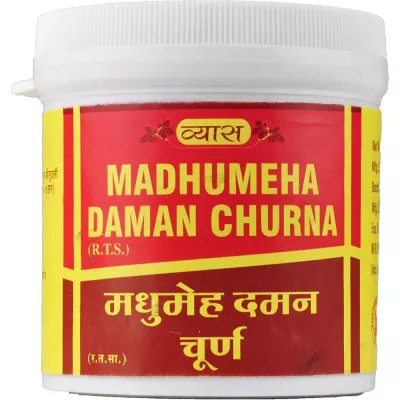


Vyas madhumeha daman churna is an ayurvedic medicine mostly used for the treatment of diabetes without any chemical added.

Vyas jamun guthali churna

·       Vyas jamun guthali churna is effective in treating diabetic patients.

·       Vyas jamun guthali churna is a good source of antioxidants.

·       Vyas jamun guthali churna protects pancreatic beta cells from oxidative stress.

Himalaya Diabecon DS

·       Himalaya Diabecon DS is an ayurvedic composition mostly used to reduce excessive blood sugar in the body.

·       Himalaya Diabecon DS stimulates the production and activity of insulin.

Joyveda diabetes care

·       Joyveda diabetes care capsule is an ayurvedic composition effective in treating type 1 and type-2 diabetes.

·       Joyveda diabetes care capsules are helpful in wound healing and tingling in diabetic feet.

·       Joyveda diabetes care capsules are helpful in stroke, retina and kidney damage prevention.

·       Joyveda diabetes care capsules are helpful in urination regulation and improve pancreatic health.

Baidyanath Madhumehari granules

·       Baidyanath Madhumehari granules is an ayurvedic composition mostly used for the treatment of diabetes, frequent urination, and dry mouth.

 ·       Baidyanath Madhumehari granules show high efficacy in the treatment of blood sugar type 1 and type2.

·       Baidyanath Madhumehari granules boost hepatic function and overall health.


Monday, April 18, 2022

12 Ayurvedic Herbs to Maintain Diabetes

12 Ayurvedic herbs, barks, and seeds used to control and manage diabetes (blood sugar level)

Introduction

In this article/blog you will be able to know about some useful and widely accepted Ayurvedic (herbs, barks, seeds)   that are good for diabetic patients. Diabetic patients are required to be a little cautious while taking medicines. This article/blog is specifically designed to discuss some easily available Ayurvedic (herbs, barks, seeds) that are good for diabetic patients. So, let us first try to understand and know about Ayurveda,  diabetes, type 2-diabetes, and how to regulate and maintain type 2-diabetes by consuming some selected Ayurvedic herbs, barks, and seeds.

Ayurveda


Ayurveda means the science of life in Sanskrit, and it is based on the principle that everything in nature can be used to maintain health and promote longevity. Ayurveda is one of the most ancient medical systems in the world and focuses on holistic healing of the body, mind, and spirit. Diabetes often referred to as diabetes mellitus, is characterized by high blood sugar levels in the body. The Ayurvedic approach to managing diabetes with herbs, barks, and seeds can help decrease your blood sugar level while also providing you with additional antioxidant and anti-inflammatory support throughout your body. Many herbs listed in ancient texts as having anti-diabetic properties are still prescribed by doctors today, so it’s important to keep them in mind when you’re trying to manage your blood sugar levels naturally. Here you will be able to know about 12 herbs, barks, and seeds commonly used in Ayurvedic treatments for diabetes.

Diabetes

·       Diabetes is also called diabetes mellitus.

·       Diabetes refers to a chronic (long-lasting) disease that occurs either when the pancreas doesn’t produce enough insulin or when the body cannot effectively use the insulin it produces.

Type 2-diabetes

·       Type 2-diabetes refers to a long-term (chronic) medical health condition in which your body doesn’t use insulin properly resulting in too much sugar circulating in the bloodstream.

·       Type 2-diabetes (formerly called non-insulin-dependent, or adult-onset) results due to the body’s ineffective use of insulin.

·       Type 2-diabetes is the most common type of diabetes.

·       More than 95% of people with diabetes have type 2-diabetes.

Watch this video to find some benefits of Ayurveda


Insulin

·       Insulin refers to a peptide hormone produced by beta cells of the pancreatic islets.

·       Insulin regulates the metabolism of carbohydrates, fats, and protein by promoting the absorption of glucose from the blood into the liver, fat, and skeletal muscle cells.

·       Insulin is considered to be the main anabolic hormone of the body.

Insulin resistance

Insulin resistance refers to a situation when cells in your muscles, fat, and liver don’t respond well to insulin and can’t easily take up glucose from your blood.

Antioxidants

·       Antioxidant refers to a substance that protects cells from the damage caused by free radicals (unstable molecules made by the process of oxidation during normal metabolism).

·       Antioxidants include vitamin C and E, selenium, and carotenoids (beta-carotene, lycopene, lutein, and zeaxanthin).

LDL cholesterol

·       LDL stands for Low-density lipoprotein.

·       LDL is one of the five major groups of lipoprotein that transport all fat molecules around the body in the extracellular water.

·       LDL (Bad) cholesterol level (High) is found to be 160-189 mg/dl and above.

·       High LDL cholesterol level means you’re at greater risk for cardiovascular diseases like heart attack and stroke.

HDL cholesterol

·       HDL stands for High-density lipoprotein.

·       HDL is one of the five major groups of lipoproteins.

·       High levels of HDL cholesterol can lower your risk for heart disease and stroke.

·       Optimal (normal) HDL levels are 60mg/dl or higher.

HbA1C level

·       HbA1C stands for Haemoglobin A1C.

·       The HbA1C test measures the amount of blood sugar (glucose) attached to hemoglobin.

·       The normal range for HbA1C is 4-5.6% (20-38 mmol/mol) in healthy people.

·       For diabetic patients, HbA1C is over 6.5% (47 mmol/mol).

·       High HbA1C, may cause diabetes, a chronic condition that can cause serious health problems like heart disease, kidney disease, and nerve damage.

A1C level

·       A1C level shows the level/condition/ situation of your diabetes.

·       For normal diabetes, the A1C level is 5.7%

·       For pre-diabetes, A1C level is 5.7% to 6.4%.

·       For diabetes, the A1C level is 6.5% or more. (Higher your A1C means the greater your risk is of developing type 2 diabetes).

 Some common Ayurvedic herbs, barks, seeds, and leaves used to control and manage diabetes (blood sugar level) are:

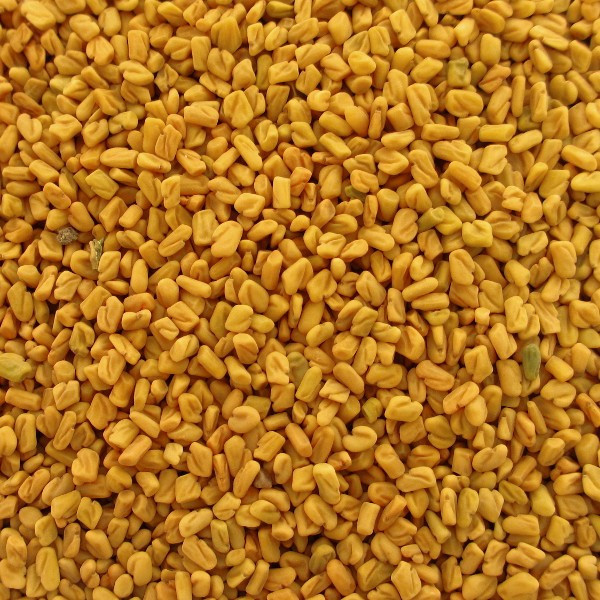
Fenugreek seeds or Methi


·       Fenugreek seeds or Methi is an incredible ayurvedic herb that has long been used in alternative medicine.

·       Scientific name of Fenugreek seeds or Methi is Trigonella foenum graecum.

·       Fenugreek seeds or Methi or Hulba (in Unani) are high in soluble fiber, which helps lower blood sugar by slowing down digestion and absorption of carbohydrates and sugar.

·       Fenugreek seeds or Methi help improve how the body uses sugar and increases the amount of insulin released.

·       Fenugreek seeds or Methi are not dependent on insulin.

·       Fenugreek seeds are traditionally used for diabetes and to increase milk supply in women who are breastfeeding.

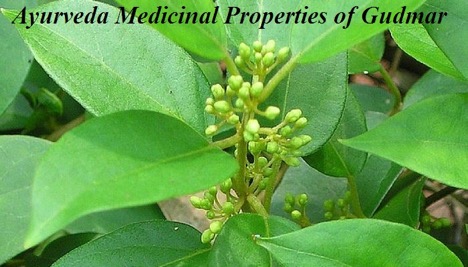
Gudmar or Gurmar (sugar destroyer)

·       Gurmar is an ayurvedic wood climbing shrub whose leaves are used for medicinal purposes.

·       Scientific name of Gurmar is Gymnema Sylvestre.

·       Gurmar herbs/leaves help lower bad LDL cholesterol levels and triglycerides.

·       Gurmar reduces blood sugar levels by enhancing the level of insulin in the body.

·       Gurmar is considered a magical remedy for diabetic patients and proved to be highly effective in both type 1 and type 2 diabetes.

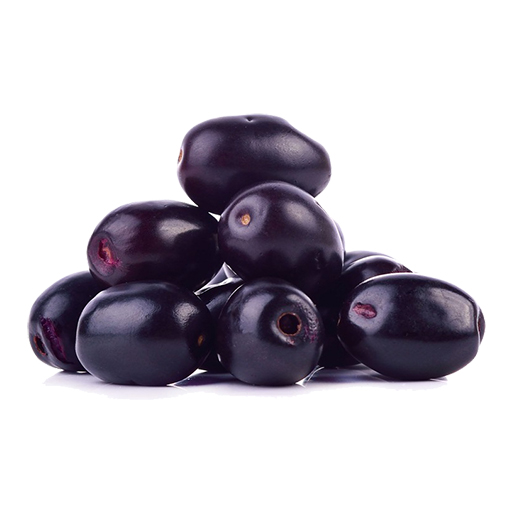
Jamun seed

·       Jamun seed is a very important ayurvedic herb.

·       Jamun seed is also known as Malabar plum, Java plum, Black plum, jamun, and jambolan.

·       Scientific name of Jamun seed is syzygium cumini or Engenia jambolana or Myrtus cumini.

·       Jamuns are rich in fiber content that helps improve the functioning of the digestive system.

·       Jamun seeds are rich in alkaloids, which convert starch into energy and help in reducing diabetes symptoms like constantly feeling thirsty and frequent urination.

·       Jamun also increases insulin activity and sensitivity.

Kalonji or Mangrela seeds

·       Kalonji is also called fennel flower, small fennel, nutmeg flower, Roman coriander, black seed, black caraway, black cumin, or black onion seed.

·       Scientific name of Kalonji is Nigella Sativa.

·       Kalonji seeds are packed with essential vitamins, minerals, and protein that are great for your overall health.

·       Kalonji seeds are rich in antioxidants and fiber.

·       Kalonji seeds help regulate blood sugar levels.

·       Kalonji seeds are used as a spice and in herbal medicine.

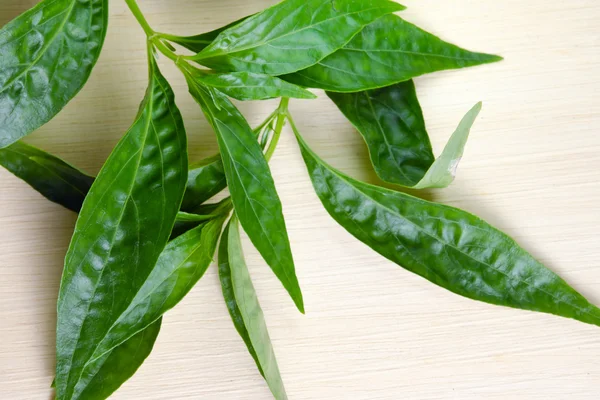
Chirayita

·       Chirayita is a well-known medicinal ayurvedic herb used to treat malaria, diabetes, liver disorder, fever, constipation, upset stomach, intestinal worms, skin disease, and cancer.

·       Scientific name of Chirayita is Swertia Chirayita.

·       Chirayita is a good source of antioxidants and shows anti-inflammatory properties.

·       Chirayita powder prevents damage to pancreatic cells and enhances the release of insulin.

Guduchi or Giloe

·       Guduchi is an ancient medicinal herb that’s been used for hundreds of years in ayurvedic medicine.

·       Scientific name of Guduchi is Tinospora Cordifolia wild

·       Guduchi is particularly valued for its ability to regulate blood sugar levels.

·       Guduchi can be helpful with both type 1 and type 2 diabetes. Studies have shown that Guduchi can lower elevated blood glucose levels (hyperglycemia) as well as reduce fasting blood glucose levels in people with type 2 diabetes. Research also suggests it may help lower hemoglobin A1c (HbA1c), a measure of long-term glucose control.

 Ashwagandha

·       Ashwagandha is one of India’s most popular medicinal plants. The word ashwagandha means the smell of a horse.

·       Ashwagandha is also called Indian ginseng, winter cherry, Ajagandha, Kanaji Hindi, and Samm Al Ferakh.

·       Scientific name of Ashwagandha is withanin somnifera.

·       Ashwagandha helps in increasing insulin secretion and improves insulin sensitivity in muscle cells.

·       Ashwagandha may help reduce a person’s blood glucose and increase urine concentrations of Sodium and low-density lipoproteins.

·       Ashwagandha has anti-inflammatory properties that help treat rheumatism, arthritis, swelling, and ulcers. In ayurvedic medicine, it is said that Ashwagandha helps strengthen immunity and improves memory. It also helps reduce stress levels by balancing cortisol levels in your body. It also improves fertility by increasing sperm count and motility (the ability of sperm to move towards an egg).

Amla or Amalaki

·       Amla or Indian gooseberry is one of the most potent natural medicines used in Ayurveda since time immemorial.

·       As per ayurvedic texts like Charaka Samhita, Amalaki is considered beneficial for controlling diabetes. The herb helps regulate blood sugar levels by lowering glucose absorption from intestines.

·       Scientific name of amla is Phyllantaus emblica.

·       Amla berries are a good source of vitamin C.

·       Amla promotes immune function.

·       Amla eliminates toxins from the body and heals cellular metabolism.

·       Amla has antioxidant properties that help fight free radicals which cause oxidative stress in diabetic patients.

·       Amla promotes blood oxygenation.

·       Amla enhances glucose tolerance

·       Amla enhances insulin sensitivity.

·       Amla improves HbA1C level in type 2 diabetes.

·       Amla boosts synthesis in HDL and LDL.

·       Amla decreases blood triglyceride levels.

·       Amla is rich in chromium, a mineral that regulates carbohydrate metabolism and makes the body more responsive to insulin, further keeping the blood sugar levels in check.

·       Amla lowers sorbitol, a toxic sugar that increases the risk of diabetic complications like retinopathy, neuropathy, and nephropathy.

·       Amla or Amalaki is a great herb for both type 1 and type 2 diabetics.

Watch this video to find some health benefits of amla


Karela powder

·       Karela is also called Bitter Gourd.

·       Scientific name of Karela is Momordica charantia Linn.

·       Karela powder is rich in iron content and helps digestion.

·       Karela powder is rich in antioxidants and vitamins A and C, which are good for the skin.

·       Karela powder is a natural blood purifier which makes it perfect for regulating blood sugar levels.

Neem powder

·       Neem is also called Margosa tree.

·       Neem whole plant is extensively used in ayurvedic system medicines and remedies.

·       Scientific name of neem is Azadirachta indica.

·       Neem seeds and bark are good sources of tannin, calcium, phosphorus, iron, zinc, and amino acids.

·       Neem powder is used to treat asthma, constipation, cough, diabetes, stomach ulcers, indigestion, gum disease, and urinary tract infection.

Cinnamon or dalchini

·       Cinnamon is a well-known ayurvedic bark.

·       Scientific name of Cinnamon is cinnamomum verum.

·       Cinnamon is packed with antioxidants that decrease oxidative stress, reducing the risk of diabetes.

Kachnar


·       Kachnar is also known as Mountain ebony, Butterfly Ash, and Camel’s foot.

·       Scientific name of Kachnar is Bauhinia variegate.

·       Kachnar is a cooling herb in ayurvedic medicine. The medicinal value of kachnar includes its ability to improve digestion by reducing gas.

·       Kachnar has anti-inflammatory properties that make it useful for treating various respiratory problems such as asthma, bronchitis, etc.

·       Kachnar also contains antioxidants that help prevent oxidative damage caused by free radicals in our body. These antioxidants are known to help decrease blood sugar levels.