zueducator

Online education for all on health, science, technology, business and management...

ad3

Showing posts with label content writing. Show all posts

Thursday, June 23, 2022

21 Things to Know About Backlinks

 21 Things to Know About Backlinks

Introduction

This article is specifically designed for those content writers who love to write content for blogs and websites. Writing high-quality content for blogs and websites needs backlink support to generate high organic traffic and get a good position in search engine ranking. So in this article/blog, you will be able to learn and know about the types of links and backlinks required for SEO.

Website


·       Website refers to a collection of web pages and related content that is identified by a common domain name and published on at least one web server.  

·       Websites are designed to sell products or services online.

Website traffic

·       Website traffic refers to web users who visit a website.

·       Website traffic is measured in visits or sessions.

·       Website traffic is a common way to measure online business effectiveness in attracting an audience.

Search engine


·       A search engine refers to a web-based tool that enables users to locate information on the www.

·       A search engine is a software system designed to carry out web searches. They search the www in a systematic way for particular information specified in a textual web search query.

·       Search engines act as filters for the wealth of information available on the internet.

·       Some popular search engines are Google, Yahoo, MSN, Bing, Ask.com, and Baidu.

Search engine ranking

Search engine ranking refers to the spot a URL takes on the results page of a search engine.

Link authority

·       Link authority refers to an indicator of the ranking power a link carries over.

·       The higher the link authority the better is the article.

DA

·       DA was created by software development company MOZ.

·       DA stands for domain authority.

·       DA refers to a search engine ranking score that gives a measure of how successful a site is when it comes to search engine results.

·       DA usually gives an overview of likely search engine performance.

PA

·       PA stands for page authority.

·       PA refers to the value a search engine assigns a webpage.

·       The higher the value of PA, the more likely the search engine will return a webpage early in organic search results.

SEO
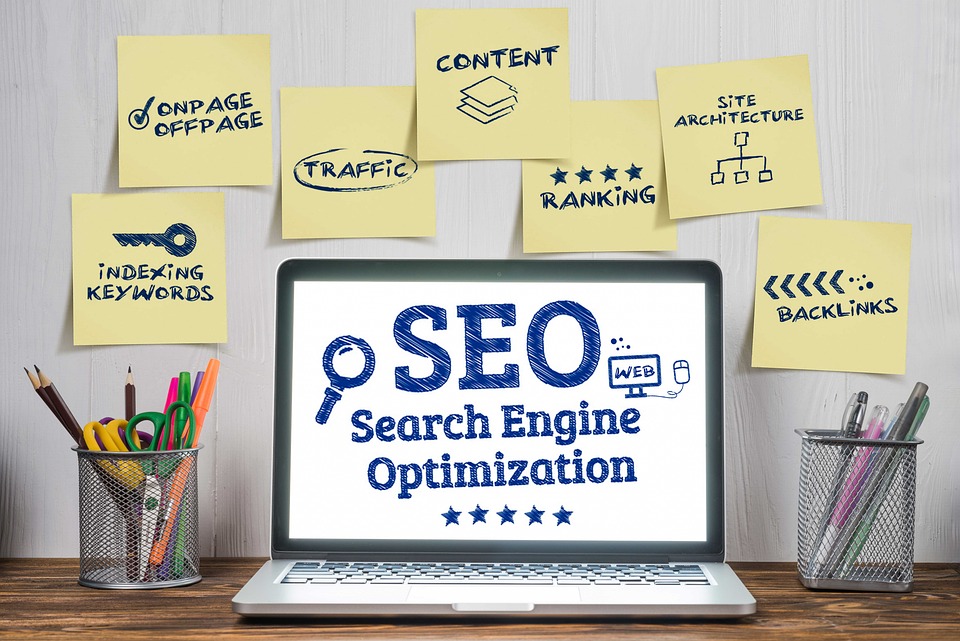


·       SEO stands for Search engine optimization.

·       SEO refers to the brand of digital marketing that focuses on improving organic traffic.

·       SEO is an array of methods and techniques used to help a given page organically appear higher in the SERP of Google or other search engines.

Backlinks

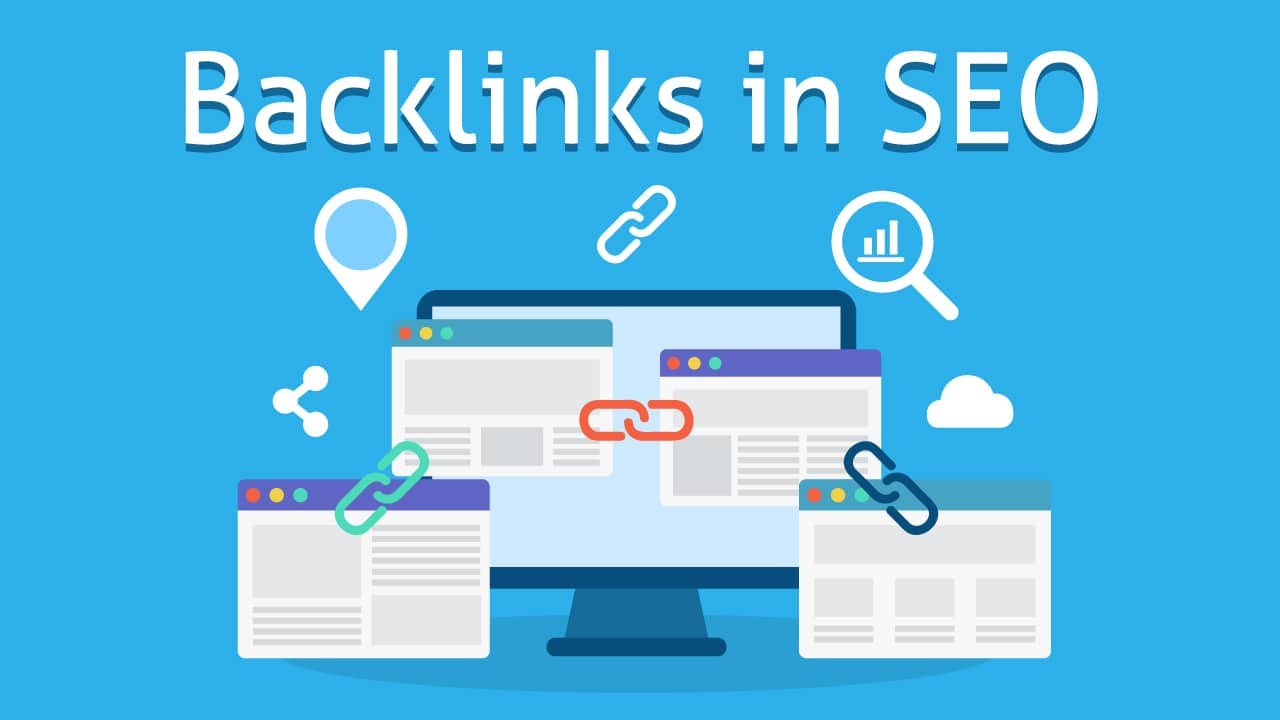
·   Backlinks are also called inbound links as they represent another website’s traffic coming to your own site.

·       Backlinks refer to hyperlinks pointing from one webpage to another webpage.

·       Backlinks are assessed through quantity and quality, and more links may potentially lead to more authority.

Importance of relevant backlinks

Backlinks on your website help search engines analyze popular web pages and provide the site’s trustworthiness and a page’s overall authority. High-quality, relevant, and authoritative backlinks are often required for more and better traffic to your website from search engines and the potential for leads.

High-quality backlink

·       A high-quality backlink refers to a backlink that is natural, highly reputable, and highly relevant.

·       High-quality backlinks are do-follow backlinks with the body text of a page on a high-quality website that is relevant to your topic that points to a page on your website.

·       A high-quality backlink comes from a high domain authority website that is well-trusted by search engines and searchers alike.

·       High-quality backlinks use relevant keywords within the anchor text of the links.

Do follow backlink


·       Do follow backlink refers to a backlink that points back to your website or blog for Google and other search engines to crawl.

·       A do-follow backlink helps in terms of SEO bypassing the authority of the original site to the destination site.

·       Do follow backlink helps improve a website’s domain authority or domain rating.

·       Do-follow backlinks help Google and other search engines discover your content for faster indexing and ranking.

No-follow backlink

·       No-follow backlink refers to a backlink that doesn’t pass authority on to the website it is linking to.

·       No-follow backlink is a setting on a web page hyperlink that directs search engines not to use the link for page ranking calculation.

·       No-follow backlinks help to drive traffic, boost SEO, and leverage social signals and influencer marketing.

Profile backlink

·       Profile backlink refers to the combined backlinks to a website, in an abstract way.

·       A profile backlink is a portfolio of links from all the sites that link to your site.

·       A profile backlinks contain links from authoritative sites, social media platforms, no-follow links, and spam links.

·       A profile backlink links your website URL as part of personal or professional profiles on high-ranking platform applications, and websites such as Twitter, Facebook, Instagram, and WordPress.

External links

·       External links refer to a link that points to an external domain.

·       In SEO, external links are the most important source of high-position ranking.

·       External links are considered as the third-party votes by the search engine.

High PR (Public Relations) backlink

·       High PR backlink refers to the link to your website from a website that has a high level of authority or page rank.

·       High PR backlinks are considered to be the most powerful type of backlinks.

Low PR backlinks

·       Low PR backlinks refer to backlinks from websites with low traffic and low engagement.

·       Low PR backlinks usually don’t add much value to your website.

Toxic backlink

·       Toxic backlinks refer to backlinks that commonly show signs of low quality or an attempt to manipulate rankings.

·       Toxic backlinks are coming from sites that have been set up only for the purpose of linking out.

·       Toxic backlinks are coming from sites and content which aren’t topically relevant.

·       Toxic backlinks are coming from sites that aren’t indexed by Google.

·       Toxic backlinks are coming from spammy sites, paid link mills, forums or blogs or comment links, and sponsored links.

Broken link

·       Broken link refers to a webpage that can’t be found or accessed by a user for various reasons.

·       Broken link is a hyperlink to a website that is linked to an empty or non-existent external webpage.

·       When a broken link is clicked, an error message is displayed.

·       A broken link has no object or doesn’t lead to anything.

Dead link

·       Dead link is also called an orphan link.

·       Dead link refers to a hyperlink on a website that points to a web page that has been deleted or moved.

Spam

·       Spam refers to any kind of unwanted, unsolicited commercial messaging sent electronically to a wide audience.

·       Spam is sent out in bulk via email to a random recipient list.

Link juice
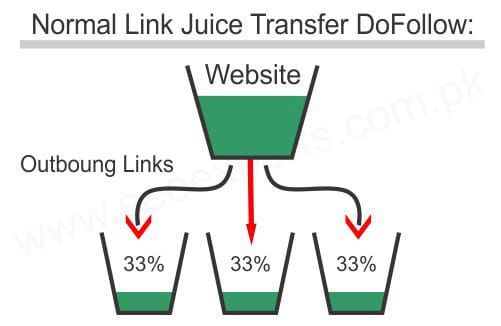


·       Link juice refers to the amount of positive ranking factor that a link passes from one page to the next.

·       Link juice is the total amount of positive link metrics associated with a website as a whole.

·       Link juice is a term used to describe and measure how much power a backlink passes onto another site and therefore strengthens it.

·       Link juice helps to measure how people are discussing your content, website, and brand.

·       Link juice helps to build brand awareness, build your reputation and establish yourself as a resource in your niche.


Tuesday, June 7, 2022

34 Terminologies for SEO Friendly Blogs

 34 Terminologies for SEO-Friendly Blogs

Introduction

This article or blog is specifically designed for those content writers who love to write content for blogs and websites. For online publishing, writing content on any topic is not enough. While writing some content for your blogs or websites, you have to keep in mind certain SEO rules and techniques in order to succeed in your purpose and reach the audience online. The content must be SEO-friendly and could be selected for monetization. So, as you go through this article, you will be able to learn about some essential SEO terms and terminologies to be kept in mind while writing some content for blogs and websites.


Some essential terminologies for blogs or website writing are:

Blog

·       A blog is also called a web log or weblog.

·       Blog refers to an online journal where an individual, group, or corporation presents a record of activities, thoughts, or beliefs.

·       A blog is an informational website published on the www consisting of discrete, often written in an informal or conversational style.

·       A blog displays information in reverse chronological order.

Blog monetization

Blog monetization refers to making money from the online content on your blog.

Website

·       Website refers to a collection of web pages and related content that is identified by a common domain name and published on at least one web server.

·       Websites are designed to sell products or services online.

Website SEO content

Website SEO content refers to creating content that helps your web pages to rank high in the search engines.

Crawling

·       Crawling refers to the process of finding new or updated pages to add to Google.

·       Crawling is the process through which indexing is done. Google crawls through the web pages and indexes the pages.

Website crawling

Website crawling refers to the automated fetching of web pages by a software process, the purpose of which is to index the content of websites so they can be searched.

Search engine

·       A search engine refers to a web-based tool that enables users to locate information on the www.

·       A search engine is a software system designed to carry out web searches. They search the www in a systematic way for particular information specified in a textual web search query.

·       Search engines act as filters for the wealth of information available on the internet.

·       Some popular search engines are Google, Yahoo, MSN, Bing, Ask.com, and Baidu.

Search engine ranking

Search engine ranking refers to the spot a URL takes on the results page of a search engine.

Search engine results page (SERP)

SERP refers to the search results generally presented in a line of results.

Search visibility

Search visibility refers to how prominently a piece of content is displayed in search engine results.

SEO

·       SEO stands for Search engine optimization.

·       SEO refers to the brand of digital marketing that focuses on improving organic traffic.

·       SEO is an array of methods and techniques used to help a given page organically appear higher in the SERP of Google or other search engines.

Technical SEO

·       Technical SEO refers to website and server optimizations that help search engine spiders crawl and index your site more effectively.

·       Technical SEO is used to improve organic rankings.

·       Technical SEO deals with the technical components of your website like sitemaps, page speed, URL structure, schema, and site navigation.

On-page SEO

·       On-page SEO is also called on-site SEO.

·       On-page SEO refers to the practice of optimizing elements on a website in order to rank higher and earn more relevant traffic from search engines.

·       On-page SEO deals with web pages (blogs, product copy, and web copy).

Off-page SEO

·       Off-page SEO refers to SEO factors and strategies focused on promoting your site or brand around the web.

·       Off-page SEO deals with the page ranking factors that occur off your website, such as backlinks from another site.

·       Off-page SEO focuses on increasing the authority of your domain through content creation and earning backlinks from other websites.

Blog SEO

·       Blog SEO refers to the process of using technical and on-page SEO techniques to increase your blog’s visibility in organic search.

·       Blog SEO ensures that search engines can find and understand your blog posts and can deliver them to relevant searches.

SEO ranking

·       SEO ranking is also called search ranking.

·       SEO ranking refers to the position a website or webpage holds within a specific SERP.

Google search


·       Google search refers to a search engine provided by Google.

·       Google search is considered a fully automated search engine that uses software known as web crawlers that explore the web regularly to find pages to add to our index.

Google search console

·       Google search console refers to the web service by Google which allows webmasters to check indexing status, search queries, crawl errors, and optimize the visibility of their websites.

·       Google search console helps you to resolve server errors, site load issues, and security issues like hacking and malware.

·       Google search console is a free service offered by Google that helps you monitor, maintain, and troubleshoot your site’s presence in Google search results.

Google ads

·       Google ads refer to Google’s online advertising program.

·       Google ads help you to advertise and promote the products and services that you offer.

·       Google ads have the potential to turbo-charge leads and sales.

Google Adsense

·       Google Adsense refers to a program run by Google through which website publishers in the Google Network of content sites serve text, images, videos, or interactive media advertisements that are targeted to the site content and audience.

·       Google Adsense provides a way for publishers to earn or make money from their online content such as blogs, websites, or YouTube videos.

·       Google Adsense advertisements are administered, sorted, and maintained by Google.

Organic traffic

·       Organic traffic refers to those visitors that land on your website from unpaid sources, aka essentially free traffic.

·       Organic sources include search engines like Google, Yahoo, or Bing.

Paid traffic

·       Paid traffic refers to the traffic that is generated through paid means only.

·       Paid traffic comes from paid online advertisements.

·       Paid traffic from search engines is generated when a user clicks on an ad.

Referral traffic

·       Referral traffic refers to the people who come to your domain from other sites, without searching for you on Google.

·   Referral traffic is Google’s method of reporting visits that come to your site from sources outside of its search engine. 

Social traffic 

·       Social traffic refers to traffic coming to your website, mobile site, or mobile app from social networks and social media platforms.

·       Social media platforms help you connect with your target audience and build relationships.

 Website traffic

·       Website traffic refers to web users who visit a website.

·       Website traffic is measured in visits or sessions.

·       Website traffic is a common way to measure online business effectiveness in attracting an audience.

Good traffic

Good traffic refers to users brought to a website by targeting their persona type and intent. These are the users who are more likely to convert, interact and return to your site.

Bad traffic

Bad traffic refers to software with no human interaction visiting your site. For example, the Bots

Landing pages

Landing pages refer to a standalone webpage that a person ‘’lands” on after clicking through from an email, ad, or other digital location.

Website audit

·       Website audit refers to a full analysis of all the factors that affect a website’s visibility in search engines.

·       Website audit gives a complete insight into any website, overall traffic, and individual pages.

Domain

·       Domain is also called the domain name.

·       Domain is the name of a website.

·       Domain name comes after “www” in a web address. For example, google.com.

URL

·       URL stands for Uniform Resource Locator.

·       URL refers to your blog address or site address.

·       A user puts your URL on the search bar to access your site.

·       URL of a blog is unique.

Backlinks


·       Backlinks are hyperlinks pointing from one webpage to another webpage.

·       Backlinks are assessed through quantity and quality, and more links may potentially lead to more authority.

SEO Keywords

·       SEO Keywords refer to the words and phrases that searchers or online users enter into search engines.

·       SEO Keywords are ideas and topics that define what your content is about.

·       SEO Keywords are related to your business that people use when entering a query into search engines to find your website.

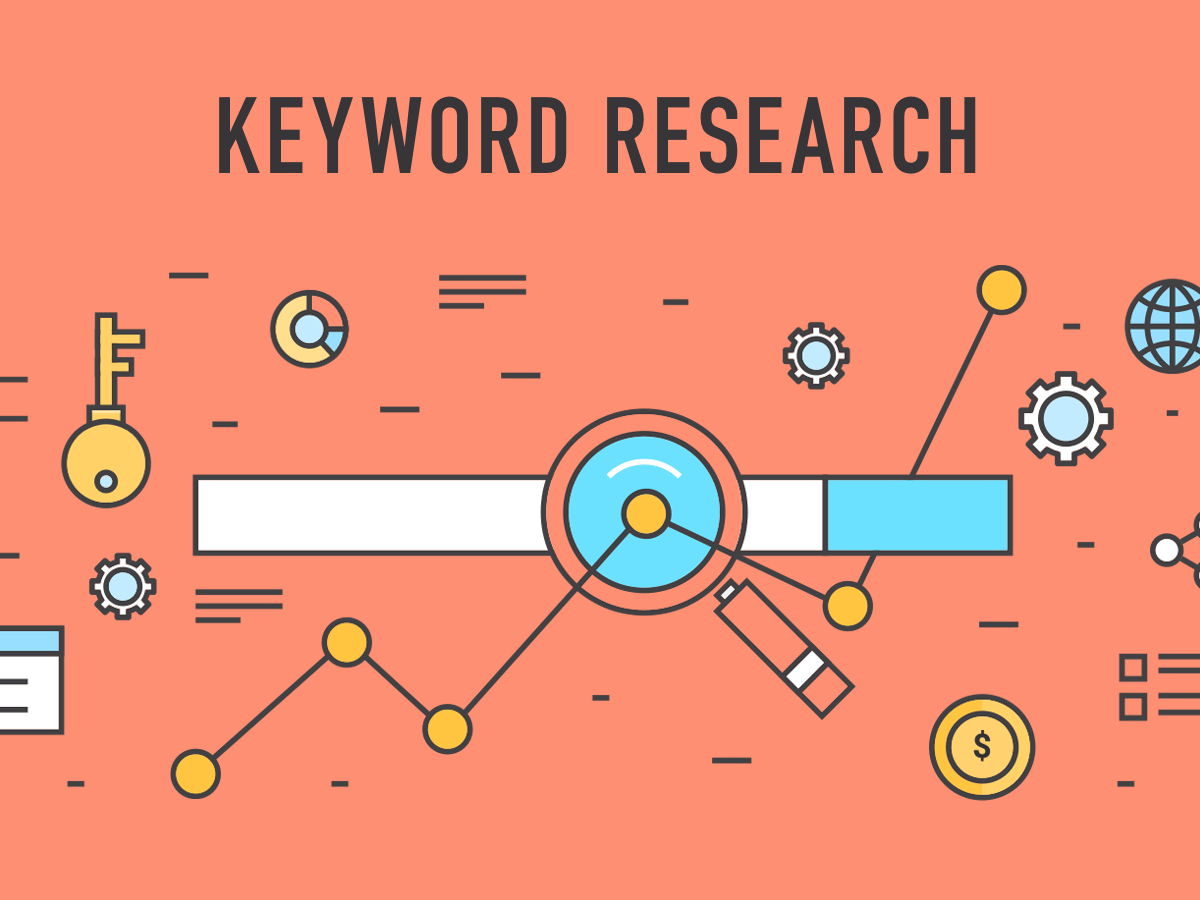
Keyword research

·       Keyword research refers to finding and analyzing search terms that people enter into search engines to use that data for a specific purpose, often for SEO marketing.

·       Keyword research can uncover queries to target, the popularity of these queries, and their ranking difficulty.

·       Keyword research tools like SEMush help us understand what an audience is searching for as well as to understand a specific language used when searching.